The Practice Habit That Actually Moves Your Playing Forward
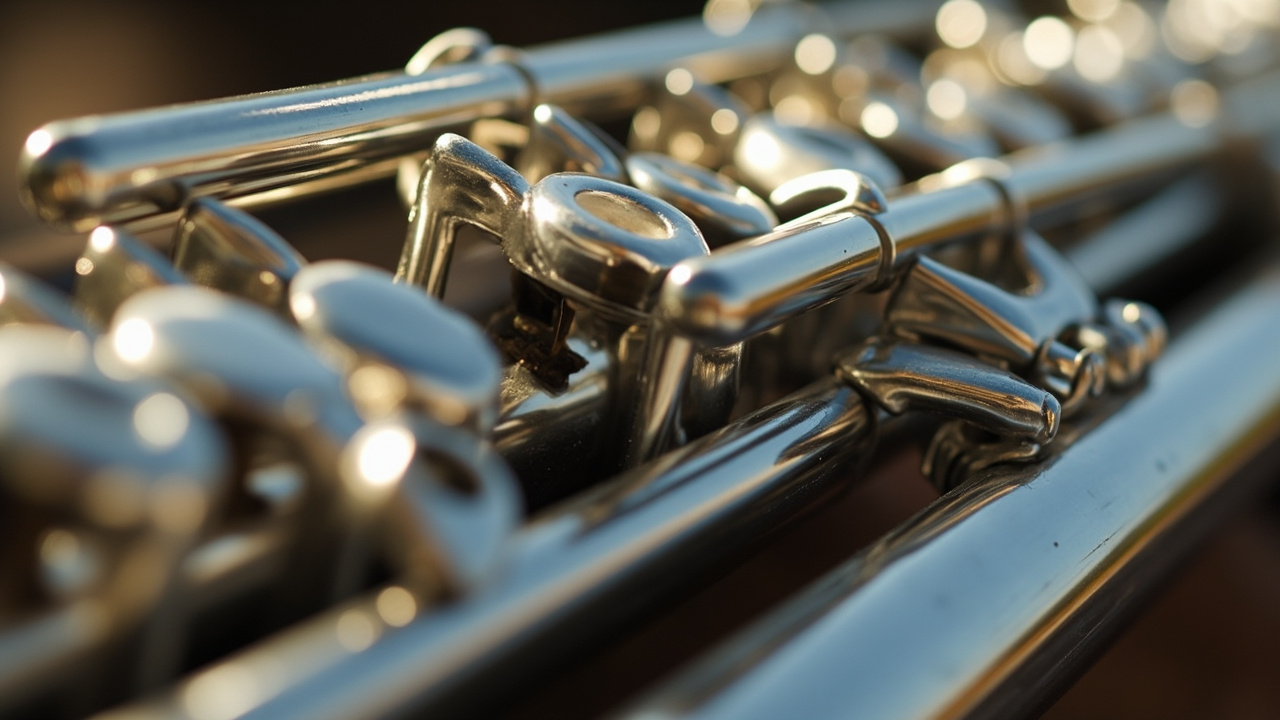
There is a difference between playing your flute and practicing it. Most students do plenty of the former and not enough of the latter. Playing means working through music you already know, running passages that come easily, gravitating toward what feels good and avoiding what does not. Practicing means something different. It means deliberately working on specific aspects of your playing with clear goals, even when those aspects are difficult, even when the process is not fun, and even when you would rather just play through some beautiful melodies and call it a day. That distinction is where progress lives.
The single most important thing about practice is consistency. Ten or fifteen focused minutes every single day will serve you far better than two hours once a weekend. Your brain and your muscles need regular, repeated stimulation to build the neural pathways that become technique. A little each day keeps those pathways strong and accessible. A big session once a week followed by days of inactivity lets those connections weaken and fade. If you can only practice three days a week realistically, practice three days a week consistently, and build from there. Quality and regularity matter more than length.
Before you open your case, have a simple plan. You do not need a color-coded spreadsheet or an elaborate practice journal, though if that works for you, wonderful. But you should know what you intend to work on before you start. Maybe today is about long tones and scales. Maybe you are working on the difficult transition in the third movement of your concerto. Maybe your teacher specifically asked you to focus on breath support during your etude. Knowing your intention going in keeps practice from becoming a vague wander through familiar territory. When you have a plan, even a loose one, you are far more likely to accomplish something meaningful.
Warm-ups exist for a reason, and skipping them is one of the most common ways students undermine their own progress. Your muscles, including the small ones in your lips and tongue, need a gradual ramp-up period just like any athletic activity. Jumping straight into fast technical work or difficult repertoire before warming up is a surefire way to develop tension, play sloppily, and wonder why your sound feels strained. A proper warm-up, even a short one, prepares your air, your embouchure, and your fingers to work together efficiently. Long tones, slow scales, and gentle finger exercises done at a relaxed tempo will pay dividends throughout the rest of your practice session.
Practice your hardest passages slowly. This sounds obvious, and yet it is the most frequently ignored advice in music education. When you encounter a passage that trips you up, your first instinct is probably to play it again at the same tempo, hoping that repetition alone will eventually produce accuracy. It rarely does. What it usually produces is a reinforced error, a neural pattern that encodes the mistake instead of fixing it. Slow the passage down to a speed where you can play it perfectly, even if that speed feels absurdly slow. Gradually increase the tempo as accuracy improves, and only move to performance tempo when the passage is clean at the speed below it. This method works for every technical challenge you will ever face.
Record yourself regularly. This is uncomfortable for almost every player, and that discomfort is precisely why it is so valuable. When you play, you hear yourself from inside your own skull, and that internal perspective distorts how you actually sound. A recording captures your playing the way your audience hears it, and what you hear in a recording often surprises you. The pitch that felt sharp in your own ears is actually flat. The passage that felt smooth is actually choppy. The dynamic that felt balanced is actually lopsided. Recordings are honest feedback, and honesty is what helps you improve. Try to record at least a few minutes of your playing once a week, and listen back with a pencil in hand to make notes.
Practice in chunks rather than playing through entire pieces repeatedly. Most students practice by starting at the beginning of a piece, playing through it, making mistakes, continuing anyway, and eventually stopping either because they reached the end or ran out of time. Then they start again from the beginning. This approach wastes enormous amounts of time on passages you already know while leaving the difficult spots unaddressed. Instead, isolate the measures or phrases that need work, practice them with full concentration using slow and methodical repetition, and only put them back into context once they are solid. Your full pieces deserve to be played through sometimes, but that is a performance rehearsal, not effective practice.
Take breaks. Your concentration is finite, and a tired mind produces sloppy work. If you are practicing for more than thirty or forty minutes, a short break between segments helps your brain absorb what you have been working on and prevents tension from building in your body. Stretch, hydrate, walk around, shake out your hands and jaw. Coming back to your flute after a brief pause with renewed focus is far more productive than grinding through a session until your attention dissolves into frustration. Respect your own limits, and you will get more out of less time than you would trying to power through.
Finally, remember why you started playing. Practice can feel like a chore, and some days it genuinely is no fun at all. Those are the days that matter most. Every professional flutist you admire has logged thousands of hours of unglamorous, repetitive, sometimes frustrating practice. There are no shortcuts, no secret techniques, no viral tricks that replace the basic work of showing up, being present, and doing the hard things with your instrument day after day. But if you can hold onto the joy that made you want to play in the first place, if you can find even a small moment of beauty in each practice session that reminds you why you chose this, the work stops feeling like a burden and starts feeling like the privilege it actually is. The flute is waiting. Go practice.


Comments
Post a Comment